
_edited.png)
Need a Break from Kyoto’s Crowds? Hirosawa Pond Offers a Quiet Respite
- By Zen Gaijin

- Jun 9, 2024
- 3 min read
Updated: Mar 27
Hirosawa Pond
Experiencing Kyoto’s myriad temples can be exhilarating — even life-altering. But it can also be exhausting. Just beyond the busiest corners of Arashiyama lies Hirosawa Pond, an easily accessible oasis of calm cherished by locals for its seasonal beauty, deep history, and enduring traditions.

A Thousand Years of Quiet Beauty
This thousand-year-old reservoir, now a working fish-farming pond, is encircled by rice paddies and quiet walking paths. A leisurely stroll along the promenade offers year-round views of herons and other wild birds fishing. History-minded visitors may notice a traditional thatched-roof house relocated from Shirakawa in Gifu Prefecture, lending a subtle sense of continuity to the landscape. On calm days, the pond mirrors the surrounding trees; in spring, cherry blossoms trace the shoreline, while summer brings local children catching crawfish at the water’s edge.


Hirosawa Pond has long inspired Japanese artists, and on a quiet walk you may even encounter a local painter trying to capture its changing light.
Art to Admire:


Toro Nagashi Festival – The Floating Lantern Ceremony
On the final night of Obon, August 16, Hirosawa Pond hosts one of Kyoto’s most atmospheric Toro Nagashi events. Across Japan, Obon marks a time to guide ancestral spirits back to the other world and to honor those lost to war, with families lighting okuribi fires to bid them farewell.

Hirosawa Pond’s Toro Nagashi Festival is unique, featuring colorful lanterns in red, white, yellow, purple, and blue, unlike the typical yellow Toro Nagashi lanterns found elsewhere. These vibrant lanterns are set afloat in the pond, creating a truly magical spectacle. The same night also celebrates the famous Daimonji festival, with giant bonfires spelling out kanji on the surrounding mountains. From Hirosawa Pond, the giant torii-shaped bonfire, Gozan Okuribi, is clearly visible, beautifully complementing the floating lanterns.

Visiting During Obon
Festival Logistics:
Toro Nagashi: Held at Hirosawa Pond at 7pm on August 16th.
Daimonji Bonfires: Lit at 8pm
Location: Hirosawa Pond is a 20-minute walk north from Saga-Arashiyama station. You can pass Chigo Shrine (兒神社) and walk east along the main road to the rental boat shed. Boats are available for around 900 yen per hour, and it’s recommended to book two hours if renting from 19:00 to not miss Daimonji. The boats are spacious, fitting three adults comfortably. Alternatively, you can find spots along the eastern shore for viewing.
Dining: Arrive early to enjoy a kaiseki bento dinner at the Hirosawa Pond Villa Tea House.
Winter at Hirosawa Pond: Koi-Age (Carp Catching)

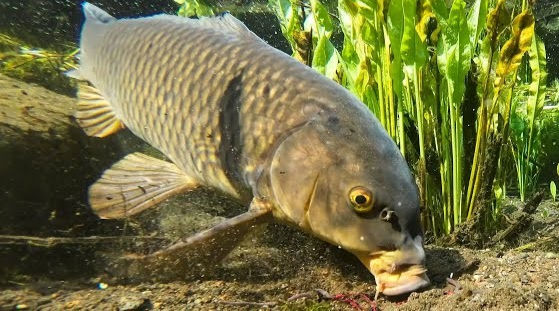
Since the Heian period, Hirosawa Pond has been famed for moon viewing, and much of the pond's fishing is done at night. December brings a unique viewing event called KOI-AGE. As the pond’s fish farmers drain the pond, the thousands of carp that have matured over the year roil the surface, creating a flurry of excitement. This spectacle attracts chefs and locals eager to purchase a once-a-year supply of freshly harvested carp.

Event Details:
Date: Until the end of December (sale ends when stock is sold out)
Access: 7 minutes on foot from Yamagoe, Kyoto city bus
For travelers seeking a quieter side of Kyoto — one shaped by seasons, reflection, and local tradition — Hirosawa Pond offers a deeply rewarding pause.

